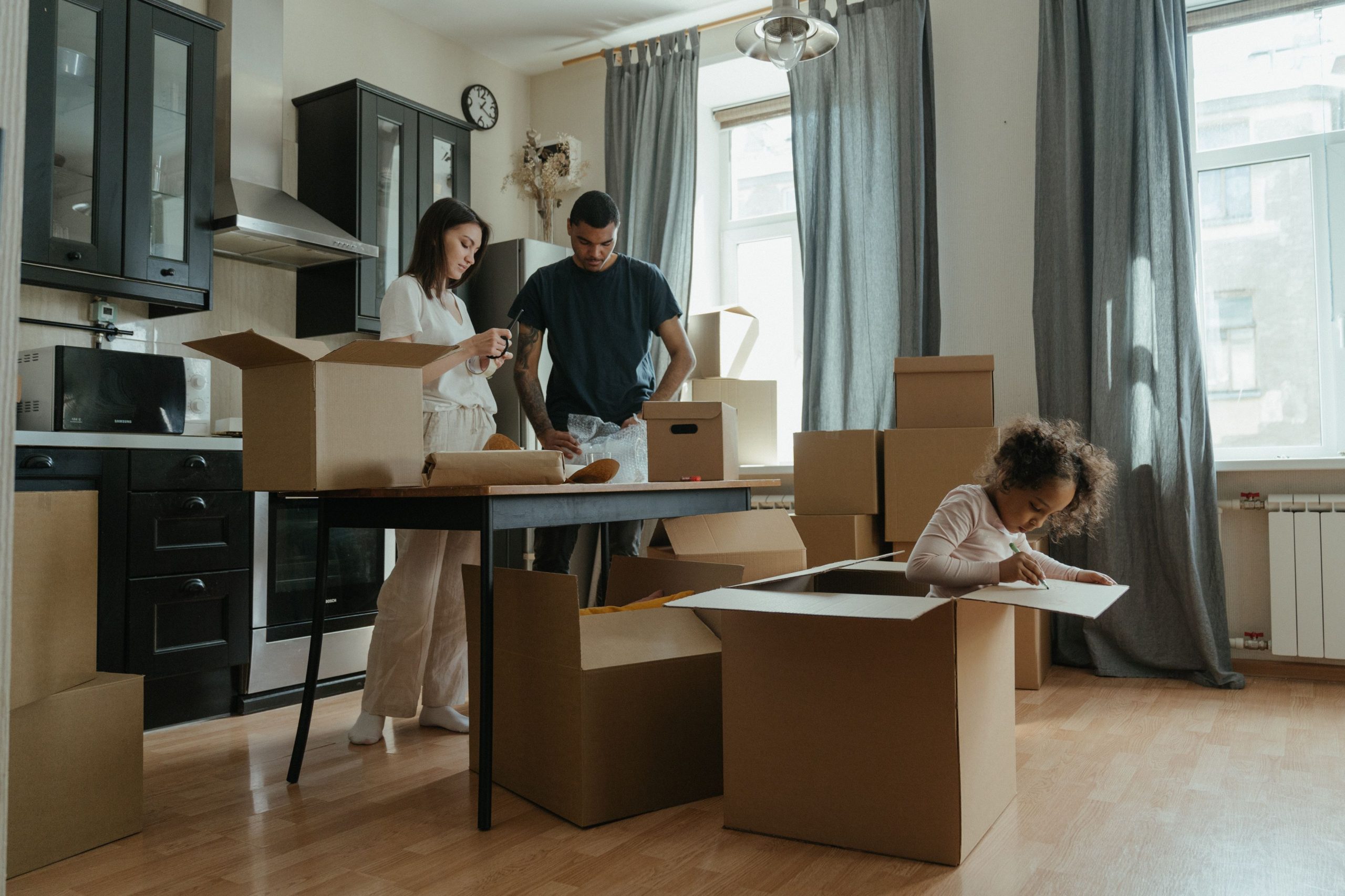
What to Pack First When Moving: Maximize Your Box Organization
Key Takeaways
- Begin sorting and boxing non-essential items six to eight weeks ahead of your move date to avoid last-minute chaos.
- Start with storage areas, seasonal items, and rarely used rooms before touching daily essentials.
- Invest in a color-coded labeling system to make unpacking faster and reduce confusion on arrival day.
- Keep a dedicated “open first” box with essentials like toiletries, chargers, medications, and bedding for your first night.
- Declutter aggressively before boxing anything — the fewer items you pack, the less you have to move and unload.
- Group items by room and category rather than by random proximity to make unpacking logical.
- Protect fragile and valuable items with proper materials and clear labeling to prevent damage during transport.
Why Packing Order Decides the Success of Your Move
Moving is one of those life events that looks simple on paper and turns chaotic the moment you open your first empty box. You grab a few dishes, toss in a stack of books, and suddenly realize the kitchen is half-dismantled while the guest room is still fully furnished. That lack of sequence is where most of the stress comes from — not the lifting, not the driving, but the order of operations.
The truth is that the first box you pack sets the tone for every box after it. If you start with the wrong room or the wrong category of items, you end up unpacking boxes before you ever reach the truck. You dig through sealed containers looking for a specific pan, a charger, or a pair of shoes. Every one of those moments eats into your time and your patience.
The good news is that packing in the right order is a learned skill, not a talent. Anyone can master it with a clear plan and a willingness to think a few weeks ahead. The sections below break down the exact problems people run into when they start boxing up their homes, and how to solve each one so your move feels controlled instead of frantic.
How Early Should You Really Start Boxing Things Up?

The biggest mistake people make is waiting until the week before move day to begin. By then, panic sets in, items get thrown together with no system, and boxes end up mislabeled or overstuffed. According to Redfin, most moving experts suggest beginning the process roughly six to eight weeks before your move date. That window gives you enough breathing room to pack methodically rather than reactively.
The size of your home matters too. According to Van Lines Move, a typical two to three bedroom house usually takes between five and seven days of active packing. That assumes you are working steadily, not scrambling at midnight. Spread that work across weeks instead of days, and the process becomes manageable.
Early moving preparation also gives you time to source materials properly, make donation runs, and handle paperwork like address changes. When you start late, every small task feels like an emergency. When you start early, each task becomes a checkbox you can tick off at your own pace.
Which Rooms and Items Should Go Into Boxes First?
The guiding principle is simple: pack the things you use least, first. That means storage areas, attics, basements, garages, and closets filled with seasonal gear. These spaces are packed with items you will not miss during the final weeks in your current home, which makes them perfect starting points.
If you are wondering what to pack first when moving, think about categories rather than specific rooms. Decorative items, books, extra linens, holiday decorations, and backup kitchenware are all strong candidates. Nobody needs their guest room comforter or their collection of candle holders on an average Tuesday.
Here is a solid order to follow when choosing what goes into boxes first:
- Storage spaces like attics, basements, and garage shelves
- Out-of-season clothing, jackets, and footwear
- Books, DVDs, and media collections you rarely access
- Decorative items, framed art, and knickknacks
- Spare bedding, towels, and guest-room essentials
- Specialty kitchen tools you use only occasionally
Once these are boxed up, you can move on to less-frequented rooms like guest bedrooms and formal dining spaces. Save bathrooms, primary bedrooms, and the main kitchen for the final stretch, since you rely on them daily until the truck arrives.
What Is the Right Way to Build a Packing Timeline?
A timeline removes guesswork. Without one, you spend every evening deciding what to tackle next, and decision fatigue becomes its own obstacle. With a timeline, the decisions are already made — you just execute.
Breaking the Weeks Into Clear Zones
Divide your available weeks into clear zones. In weeks six through five, focus on decluttering and attacking storage spaces. In weeks four through three, move into secondary rooms and seasonal items. Weeks two and one are reserved for kitchen staples, daily-use items, and final essentials. This staged approach keeps you from doubling back or packing items you still need.
Within each week, set small daily goals. Three boxes a day beats twenty boxes in one exhausting Saturday. Short, focused sessions prevent burnout and keep the quality of your packing high — fewer broken dishes, fewer mystery boxes, fewer regrets.
Building in Buffer Days
Always leave two or three buffer days before move day with nothing scheduled. Something will go wrong — a missing box, a last-minute errand, a forgotten corner of a closet. Buffer days absorb those surprises without derailing the whole plan. If nothing goes wrong, you simply get extra rest before the big day.
How Do You Stop Running Out of Boxes Halfway Through?
Nothing stalls progress like discovering you only have four boxes left and three rooms to go. Buying boxes in waves leads to constant interruptions. The smarter move is to estimate your total need upfront and buy in bulk.
According to JK Moving, the typical household move requires around sixty cardboard boxes in total. That number varies based on home size, but it gives you a realistic starting benchmark. Add fifteen to twenty percent extra to that figure, because running short is far more painful than having a few leftovers.
Also think about variety. You do not want sixty identical boxes — you want a mix:
- Small boxes for books, canned goods, and heavy items
- Medium boxes for kitchenware, toys, and mixed goods
- Large boxes for linens, pillows, and lightweight bulky items
- Wardrobe boxes for hanging clothes
- Specialty dish and glassware boxes with dividers
- Flat picture boxes for art and mirrors
Buying a range upfront prevents the mid-move scramble for the right size container. You can also simplify moving day considerably by making sure every box type is available before you tape up your first one.
What Labeling System Actually Works?
Writing “kitchen stuff” on the side of a box with a marker is not a system — it is a recipe for frustration. A good labeling approach tells you three things at a glance: which room the box belongs in, what general category of items is inside, and whether the contents are fragile.
Color coding is one of the most effective methods. According to MoveSafe Relocation, research on wayfinding shows that color cues improve navigation and organization in complex spaces. That principle applies directly to moving — your brain processes a blue label faster than a handwritten word, especially when you are tired and surrounded by identical brown boxes.
Setting Up Your Color Code
Assign one color to each room. Kitchen might be red, primary bedroom blue, bathroom green, and so on. Use colored tape, colored markers, or colored stickers on the top and at least two sides of every box. That way, you can identify the destination room from any angle when boxes are stacked in the truck or piled in a hallway.
Pair the color with a short written description. “Blue — nightstand drawer” or “Red — baking supplies” tells you exactly what you are grabbing without opening anything. Add a number if you want to go further and keep a master list on your phone that details the contents of each numbered box.
How Do You Protect Fragile Items Without Overpacking?
Fragile items demand attention but not panic. The most common failure is either underwrapping, which leads to breakage, or overwrapping, which wastes materials and makes unpacking miserable. There is a middle ground, and it starts with the right supplies.
Stock up on packing paper, bubble wrap, and small foam sheets before you touch a single dish. Use dish-pack boxes with built-in dividers for plates and glasses. Wrap each item individually, then nest them with cushioning between layers. Heavy items go on the bottom, lighter ones on top, and empty space gets filled with crumpled paper so nothing shifts in transit.
For electronics, original boxes are best when you have them. If not, use medium boxes with plenty of padding, remove batteries, and coil cables separately in labeled bags. Take photos of complex wiring setups before disassembly so you can reconnect everything without guessing later. Mark every fragile box clearly on multiple sides, and never stack heavier boxes on top of them — a labeled “Fragile — Top Load Only” sticker saves everyone a headache on moving day.
Why Decluttering Before Boxing Changes Everything

Every item you pack is an item you have to lift, load, drive, unload, and find a home for again. That math alone should motivate serious decluttering before a single piece of tape gets pulled. The less you move, the cheaper, faster, and calmer the whole process becomes.
Walk through each room with three bins or bags clearly marked: keep, donate, and discard. Be honest about what you actually use. The sweater you have not worn in four years is not going to earn its spot in a new closet. Duplicate kitchen gadgets, broken electronics, outgrown toys, and expired pantry goods all deserve to leave before the truck arrives.
Setting Rules That Make Decisions Easier
Arbitrary rules are surprisingly effective when you are stuck on sentimental items. Try the one-year rule: if you have not touched it in a year, it goes. Or the replacement rule: if you could replace it for under twenty dollars and would not bother, it probably is not worth moving. These shortcuts take emotion out of the equation and let you move quickly through piles that would otherwise take hours to sort.
Schedule donation pickups or drop-offs during your early packing weeks. Leaving bags of giveaways sitting in the hallway for a month defeats the purpose and adds clutter to an already busy space. Get items out of the house as soon as the decision is made.
What Belongs in Your “Open First” Box?
The “open first” box is the single most important container you will pack. It travels with you, not in the truck, and it contains everything you need for the first twenty-four hours in your new place. Done well, it means you can shower, sleep, eat, and function without digging through a stack of unmarked cardboard at midnight.
Here is what should go inside:
- Toiletries including toothbrush, toothpaste, soap, shampoo, and a towel
- Phone chargers, laptop chargers, and a power strip
- Medications, prescriptions, and basic first aid supplies
- A change of clothes and pajamas for each family member
- Bedsheets, pillowcases, and a blanket for the first night
- Paper plates, plastic utensils, and a few snacks
- Toilet paper, paper towels, and basic cleaning supplies
- Important documents, keys, and a small toolkit
Pack one of these boxes per family member for personal items, and one shared household box for the rest. Label them loudly — bright tape, big letters, maybe even a distinct color that nothing else in the move uses. You want to spot them instantly in a sea of boxes.
How Should You Group Items for Easier Unpacking?
Grouping is where most packing plans quietly fall apart. People pack whatever is near them instead of what logically belongs together, and unpacking turns into a treasure hunt. The fix is to think about where items will live in the new home, not where they currently sit.
Keep related items in the same box whenever possible. All the baking supplies — mixing bowls, measuring cups, spatulas, sheet pans — go together, not spread across three random containers. Office supplies stay with office supplies. Bathroom drawer contents stay together rather than mixing with linen closet items just because both rooms are upstairs.
Thinking About the Unpacking Order
Pack with the unpacking sequence in mind. The boxes you need first in the new place should be loaded last into the truck so they come off first. Kitchen essentials, bedding, and bathroom basics belong at the front of the unloading queue. Decorative items and storage-bound belongings can wait days or weeks without affecting daily life.
Number your boxes and keep a simple inventory on your phone. A quick spreadsheet with box numbers, rooms, and contents takes minutes to build and saves hours later. When someone asks where the coffee maker is, you check the list, find box twelve, and move on with your day.
What Mistakes Derail Even Well-Planned Moves?
Even careful planners trip over the same handful of pitfalls. Overloading boxes is a common one — a box of books that weighs eighty pounds is a back injury waiting to happen. Keep heavier items in smaller boxes and reserve large ones for light, bulky things like pillows and bedding.
Another recurring mistake is forgetting about items that cannot go on a moving truck. Flammables, propane tanks, certain cleaning chemicals, and perishable food need separate handling. Check your mover’s restricted list early so you can use up or dispose of these items before the final week.
- Avoid packing valuables and important documents with general household goods
- Do not seal boxes before confirming nothing essential is still inside
- Skip the temptation to reuse damaged or weakened boxes
- Never label boxes only on the top — sides matter when they are stacked
- Resist the urge to leave drawers full “because they are already organized”
Full drawers in particular cause trouble. Dressers get much heavier, drawers slide out during transport, and contents spill. Empty them into labeled boxes and reunite the two in the new home.
Conclusion
Packing in the right order transforms moving from a scramble into a sequence of small, manageable wins. The households that arrive at their new place feeling calm are the ones that started early, decluttered honestly, and treated labeling like a priority instead of an afterthought. None of these habits require special skills — they just require a plan and the discipline to follow it week by week.
The boxes you pack first shape every step that follows. Begin with the things you will not miss, work your way toward the essentials, and reserve your final days for the items that keep your household running. Build a clear labeling system, prepare an “open first” box that travels with you, and give fragile items the care they deserve without wrapping every single object in three layers of bubble wrap.
Moves are temporary, but the memory of a chaotic one lingers. Take the extra time now to pack with intention, and your future self — standing in a new kitchen, sipping coffee from a mug you found in under a minute — will thank you for it.