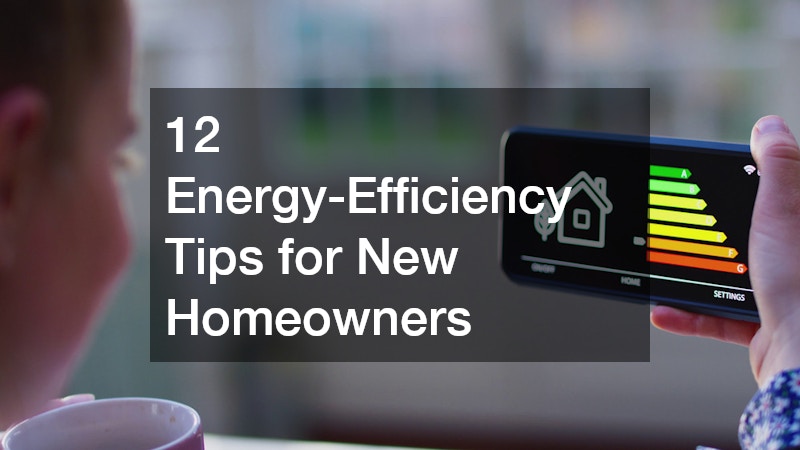
12 Energy-Efficiency Tips for New Homeowners
Energy efficiency is a crucial concern for new homeowners looking to reduce expenses and minimize their carbon footprint. By implementing the right strategies, such as optimizing HVAC systems and upgrading appliances, homeowners can significantly enhance their home’s energy efficiency. This article outlines 12 essential tips to guide new homeowners in making savvy energy-saving decisions that ultimately lead to a more sustainable and cost-effective living space.
Tip 1: Collaborate with an HVAC Company for Efficiency Improvements
Understanding the Role of an HVAC Company
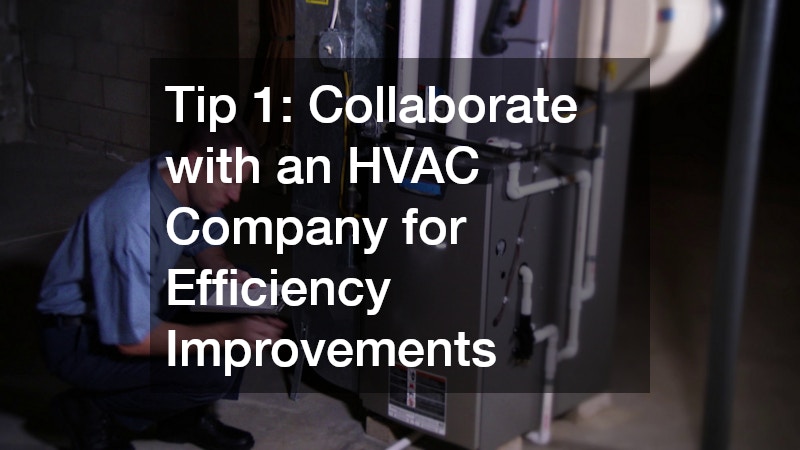
The role of an HVAC company is pivotal in maintaining efficient heating and cooling systems in a home. These companies provide expertise in system installation, repairs, and regular maintenance checks, ensuring that systems are running at their optimum efficiency. Regular check-ups from an HVAC company can prevent minor issues from escalating into major, expensive problems.
Partnering with an HVAC company allows homeowners to benefit from professional recommendations tailored to their specific needs. By conducting energy audits, these companies can identify areas in the home where energy efficiency can be improved, leading to significant savings. The guidance provided by HVAC professionals is rooted in their vast experience and understanding of innovative energy solutions.
Engaging an HVAC company ensures that homeowners are making informed decisions about their heating and cooling systems. This collaboration can result in reduced energy consumption and lower utility bills. Moreover, these companies are instrumental in the transition to smart systems, which further enhances energy efficiency.
Tip 2: Opt for Professional Furnace Installation
Ensuring Optimal Performance and Efficiency
Professional furnace installation is essential to ensure the furnace operates at peak performance. Incorrect installation can lead to numerous issues, including decreased efficiency and increased energy costs. Hiring qualified contractors for furnace installation guarantees that the system is set up correctly from the start.
Expert installers take into consideration the specific needs of the home, including size and insulation, to ensure optimal furnace performance. They can also provide valuable advice on selecting energy-efficient models that ensure long-term savings. With proper furnace installation, homeowners can enjoy consistent heating with reduced energy wastage.
Proper installation not only enhances energy efficiency but also prolongs the lifespan of the furnace. It minimizes the risks of breakdowns, ensuring uninterrupted comfort during the cold months. Investing in professional installation is an upfront cost that pays off in long-term efficiency and reliability.
Tip 3: Utilize Resources from Home Improvement Stores
Finding the Right Products and Supplies
Home improvement stores are valuable resources for new homeowners looking to enhance energy efficiency. These stores stock a variety of energy-efficient appliances and materials that can help reduce energy consumption. By selecting the right products, homeowners can directly impact their energy savings.
Staff at home improvement stores can provide expert advice on the best solutions for energy efficiency. They can guide homeowners towards the latest technologies and improvements that align with their specific energy-saving goals. Utilizing the knowledge and resources available at these stores simplifies the decision-making process for homeowners.
In addition to products, home improvement stores often offer workshops and seminars to further educate homeowners. These sessions cover a range of topics, from simple upgrades to comprehensive energy-saving strategies. By leveraging these resources, homeowners are better equipped to make informed, impactful decisions for their home.
Tip 4: Choose the Right HVAC Contractor
Key Qualities to Look for in an HVAC Contractor
Choosing the right HVAC contractor is crucial to maintaining an efficient and reliable heating and cooling system. Homeowners should look for contractors with a track record of excellent customer service and professionalism. A reputable HVAC contractor can be identified by their credentials, customer reviews, and the level of expertise they bring to each project.
Good contractors should offer comprehensive services, including installation, maintenance, and emergency repairs. An HVAC contractor who is dedicated to ongoing education and certification is a valuable asset, as they stay current with industry advancements and regulations. Homeowners should prioritize contractors who are open to discussing energy-efficient options and upgrades.
Communication is a key aspect when choosing an HVAC contractor. They should be responsive to questions and provide clear, detailed estimates and recommendations. Building a long-term relationship with a reliable HVAC contractor is beneficial, as they become familiar with the specific needs and systems of the home.
Tip 5: Schedule Routine HVAC Services
Benefits of Regular Maintenance and Inspections
Routine HVAC services are integral to maintaining a system’s efficiency and lifespan. Regular inspections by professional HVAC services can identify potential issues before they become significant problems. These services ensure systems are operating optimally, leading to reduced energy costs and enhanced comfort.
Scheduled maintenance typically includes cleaning, tuning, and replacing worn components, which all contribute to improved system performance. Consistent care through HVAC services can prevent breakdowns during crucial times, such as during extreme cold or heat. This proactive approach saves homeowners from unexpected repair costs and reduces the system’s energy consumption.
The benefits of routine services extend beyond cost savings. Regular maintenance helps improve indoor air quality by ensuring that systems are clean and filters are replaced regularly. For homeowners, this means a healthier living environment alongside improved energy efficiency.
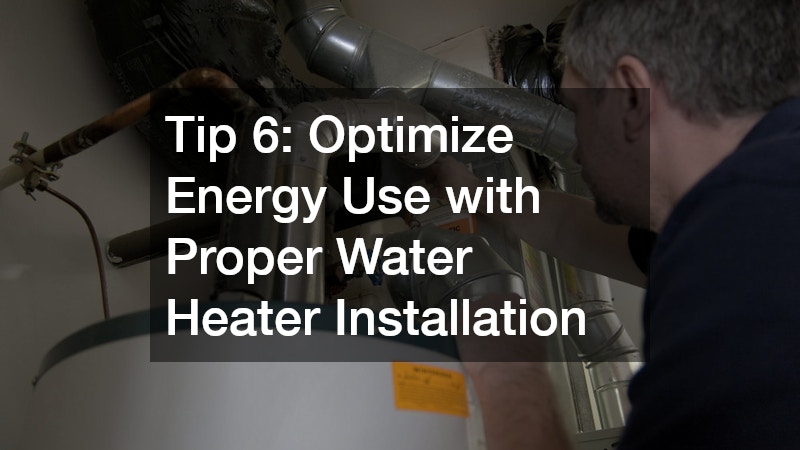
Tip 6: Optimize Energy Use with Proper Water Heater Installation
Choosing Between Traditional and Tankless Water Heaters
When considering water heater installation, homeowners face the choice between traditional tank water heaters and modern tankless models. While traditional models have been the standard for decades, tankless water heaters offer on-demand heating and energy savings. The decision should be based on the specific needs and consumption patterns of the household.
Tankless water heaters are energy-efficient because they only heat water as needed, as opposed to storing a supply of hot water. This on-demand approach can lead to significant reductions in energy use and cost. Homeowners must assess their water usage patterns to determine if the switch to a tankless model is advantageous.
Installation of water heaters, whether traditional or tankless, should be conducted by certified professionals to ensure safety and efficiency. Proper installation maximizes the performance benefits of the chosen system. Consulting with specialists can provide insights into the most suitable unit for the home’s requirements.
Tip 7: Consider the Advantages of Tankless Water Heaters
Understanding On-Demand Water Heating
Tankless water heaters, known for their ability to heat water on demand, are becoming increasingly popular among energy-conscious homeowners. These systems eliminate the need for a storage tank, providing hot water exactly when it’s needed. This efficiency not only reduces energy consumption but also eliminates the energy loss associated with traditional water heaters.
The on-demand heating capability of tankless systems ensures that homeowners are not wasting energy heating water that isn’t being used. This can lead to substantial cost savings on monthly utility bills. Moreover, tankless systems typically have a longer lifespan due to the reduction in mineral buildup and wear and tear.
Investing in tankless water heaters aligns with a modern home’s sustainable energy approach. These systems are considered environmentally friendly due to their reduced energy use and smaller carbon footprint. For homeowners looking to enhance efficiency, tankless water heaters offer a practical, long-term solution.
Tip 8: Implement Smart Electrical Solutions
Upgrading to Energy-Efficient Appliances
Upgrading to energy-efficient appliances is a straightforward way for homeowners to reduce their energy consumption and utility bills. Modern appliances often carry energy-efficiency ratings that indicate their consumption relative to industry standards. By selecting appliances with high efficiency ratings, homeowners can ensure that they are minimizing energy use while maintaining performance.
Investing in energy-efficient appliances also contributes to a home’s overall value, as potential buyers increasingly prioritize sustainability features. By selecting products from reputable home improvement stores, homeowners can gain access to a wide range of options and expert guidance. An efficient home is a selling point that offers both immediate and long-term benefits.
The integration of energy-efficient appliances is part of a broader strategy to implement comprehensive electrical solutions across the home. They work in tandem with other technologies, such as smart home automation systems, to create a cohesive, efficient living environment. These upgrades represent a pragmatic approach to reducing energy costs without sacrificing convenience or comfort.
Tip 9: Consult with Electricians for Efficient Home Systems
Role in Modernizing Home Electrical Systems
Electricians play a critical role in modernizing a home’s electrical systems to enhance energy efficiency and safety. Consulting with certified electricians can reveal opportunities for electrical upgrades that reduce energy waste. From rewiring to installing energy-saving devices, electricians provide a suite of services that contribute to an efficient home.
Homeowners are encouraged to conduct an electrical audit with a professional to identify outdated systems and potential safety hazards. Electricians are equipped to recommend and implement solutions that improve efficiency, such as upgrading to LED lighting or installing smart electrical panels. Modern solutions not only reduce energy consumption but also enhance the home’s safety and functionality.
Properly updated electrical systems can accommodate energy-efficient appliances and smart home devices more effectively. By consulting with electricians, homeowners can ensure that their systems are designed to support current and future energy needs. This collaboration is a proactive step towards achieving significant energy savings and a more reliable electrical infrastructure.
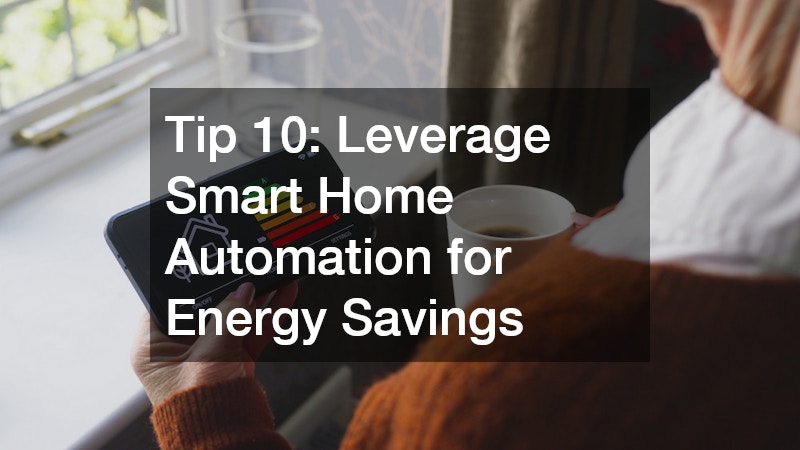
Tip 10: Leverage Smart Home Automation for Energy Savings
Integrating Smart Thermostats and Devices
Smart home automation is transforming the way homeowners manage energy use by integrating technology such as smart thermostats and devices. These systems enable real-time monitoring and control of energy consumption, often resulting in significant cost savings. Smart thermostats, for example, allow for precise temperature regulation based on occupancy patterns, reducing unnecessary heating and cooling.
Automation extends to various other aspects of the home, including lighting, appliances, and even water usage. By implementing smart solutions, homeowners can automate energy-saving practices, ensuring that systems only run when necessary. Embracing smart home technology not only reduces energy use but also provides convenient, customizable management options.
Beyond direct energy savings, smart home automation enhances security and convenience, making it a comprehensive solution for modern living. Homeowners can control many of these systems remotely via smartphones or connected devices, offering peace of mind and flexibility. The integration of smart home solutions is a powerful step towards achieving an energy-efficient, intelligent home environment.
Tip 11: Invest in High-Return Energy Efficiency Measures
Evaluating Cost-Effectiveness of Various Upgrades
When evaluating energy upgrades, prioritizing those with high return on investment (ROI) should be a key consideration for homeowners. Energy-efficient measures such as enhanced insulation, advanced windows, and efficient heating solutions can offer substantial long-term savings. The initial cost of these upgrades can often be recouped through reduced utility bills and increased property value.
Homeowners should conduct a thorough cost-benefit analysis to determine the most effective upgrades for their specific circumstances. Professional energy audits can assist in prioritizing modifications that offer the greatest impact. Implementing high-ROI projects supports financial sustainability by progressively reducing energy expenses over time.
A strategic approach to energy efficiency upgrades also considers the potential environmental benefits and alignment with sustainable living goals. For example, installing solar panels not only cuts utility costs but also reduces a home’s carbon footprint. Investments in energy efficiency align financial savings with broader societal benefits, promoting a holistic approach to responsible homeownership.
Tip 12: Start Your Energy Efficiency Journey Today
Simple Practices for Immediate Impact
Embarking on the journey to energy efficiency begins with simple, manageable practices that yield immediate benefits. Actions like sealing drafts, switching to LED bulbs, and being mindful of daily energy consumption are accessible to all homeowners. These straightforward measures can significantly influence energy use and are a great starting point for longer-term improvements.
In addition to small everyday changes, planning for larger projects, such as upgrading HVAC systems or installing smart home technology, is essential for sustained efficiency. Prioritizing these projects within a broader home improvement plan ensures a strategic approach to energy savings. Engaging with professionals in the field can provide insights and guidance as homeowners navigate their options.
By staying informed and proactive, homeowners can make impactful decisions that benefit both their wallet and the environment. The transition to an energy-efficient home is an ongoing process, supported by continuous learning and adaptation. Starting today lays the foundation for a sustainable, cost-efficient future that aligns with modern living standards and responsibilities.
By addressing these common questions and concerns, new homeowners can find practical and impactful ways to enhance their home’s energy efficiency. With informed decisions, from selecting the right HVAC contractors to implementing smart home solutions, homeowners can effectively reduce their energy use and contribute to a more sustainable future.