The Complete Guide to Building, Repairing, and Upgrading Your Home for Long-Term Comfort and Efficiency
Introduction: Creating a Long-Term Strategy for Home Comfort and Efficiency
A home is one of the most important long-term investments most people will ever make, and like any major asset, it requires consistent care to maintain its performance, comfort, and value. Every system in a home—whether it controls temperature, protects the structure, manages water flow, or supports daily functionality—gradually experiences wear over time. When these systems are ignored, small inefficiencies often turn into larger, more expensive problems.
Many homeowners tend to focus on visible improvements like interior design or cosmetic updates, while overlooking the foundational systems that keep a home functioning properly. This imbalance can lead to unexpected breakdowns, higher utility bills, and reduced structural integrity. A smarter approach involves understanding how each system contributes to the overall health of the home and maintaining them in a coordinated way.
Another key factor is timing. Home systems rarely fail all at once; instead, they show early warning signs that are often easy to miss without regular inspection. Recognizing these signals early allows homeowners to take action before damage spreads. This not only saves money but also reduces stress and disruption.
Modern homeownership also benefits from a more strategic mindset. Instead of reacting to problems as they arise, homeowners can plan maintenance schedules, budget for upgrades, and prioritize improvements based on urgency and long-term value. This approach ensures that the home remains efficient, safe, and comfortable year-round.
It is also important to recognize that every home is a connected system rather than a collection of separate parts. A failure in one area—such as plumbing, roofing, or heating—can quickly impact other systems. For example, moisture intrusion can affect structural materials, while inefficient heating can increase strain on energy systems. Understanding these relationships helps homeowners make better, more informed decisions.
This guide explores essential systems, maintenance strategies, and upgrade opportunities in a structured way. By understanding how each part of your home works—and how they all connect—you can make more informed decisions that protect your investment and improve your quality of life.
Keep Your Heating System Running Efficiently in All Seasons
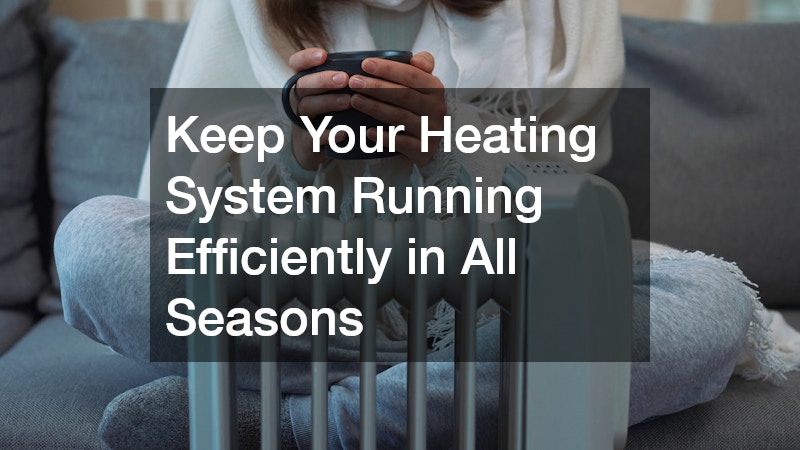
Heating systems are essential for maintaining comfort during colder months, but they are often overlooked until problems arise. Regular maintenance helps ensure efficiency, safety, and consistent performance.
One of the most common issues homeowners face is reduced heating output. This can be caused by clogged filters, worn components, or system inefficiencies that develop over time. Addressing these issues early can prevent more serious breakdowns.
Common signs your heating system needs attention:
- Uneven heating throughout the home
- Strange noises during operation
- Higher-than-normal energy bills
- Frequent cycling on and off
Preventative maintenance steps include:
- Replacing filters regularly
- Inspecting ductwork for leaks
- Scheduling seasonal tune-ups
- Checking thermostat calibration
When issues become more serious, professional gas heating repair services can diagnose and resolve problems safely. Ignoring early warning signs often leads to more extensive heating repairs, which are more costly and disruptive.
Consistency is key. A well-maintained heating system not only improves comfort but also reduces energy consumption and extends equipment lifespan. Regular attention also helps identify inefficiencies that may not be obvious during daily use, such as uneven airflow between rooms or gradual performance loss in older components.
Plan Your Home Build or Expansion with Long-Term Efficiency in Mind
Building or expanding a home is one of the most significant investments a homeowner can make, and it requires careful planning from the very beginning. Poor planning at this stage can lead to inefficiencies that are difficult and expensive to correct later.
Working with experienced custom home builders is essential for ensuring that design, structure, and functionality align with long-term goals. These professionals help translate ideas into practical layouts that maximize space, energy efficiency, and livability.
When considering a home addition, it’s important to think beyond immediate space needs. Ask questions such as:
- How will this space be used in 5–10 years?
- Will it improve or disrupt energy efficiency?
- Does it integrate well with existing systems?
Key planning considerations include:
- Orientation of rooms for natural light and airflow
- Structural compatibility with the existing home
- Material selection for durability and insulation
- Future maintenance requirements
Common mistakes to avoid:
- Expanding without considering HVAC load
- Ignoring foundation capacity
- Overlooking plumbing or electrical integration
- Choosing aesthetics over functionality
A well-planned build or addition should feel seamless, both visually and functionally. When done correctly, it enhances not only living space but also long-term property value and efficiency.
Identify Early Warning Signs in Cooling Systems Before They Escalate
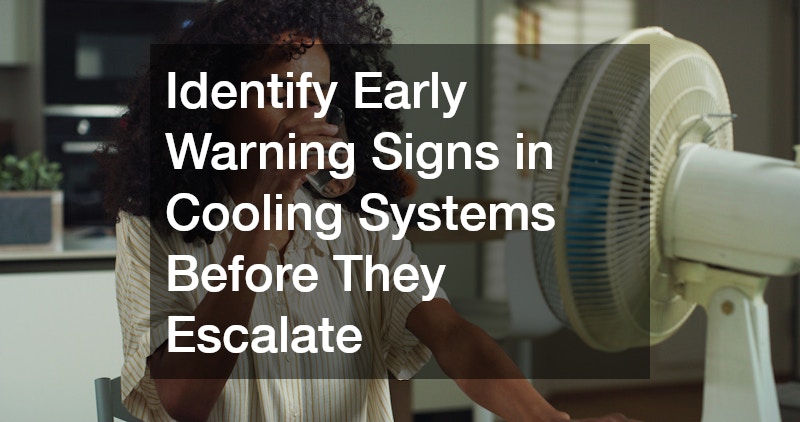
Cooling systems are essential for maintaining comfort, especially during warmer months, but they often show subtle signs of decline before failing completely. Recognizing these early indicators can help prevent costly breakdowns and reduce the need for emergency air conditioner repair.
Common warning signs include:
- Weak or inconsistent airflow
- Warm air blowing from vents
- Unusual noises such as grinding or rattling
- Frequent cycling on and off
- Sudden increases in energy bills
Homeowners can take several preventative steps:
- Replace air filters regularly
- Keep outdoor condenser units clean and unobstructed
- Ensure vents are open and unblocked
- Monitor system performance during peak heat
Ignoring early signs often leads to larger system strain, reducing efficiency and shortening lifespan. Scheduling timely inspections can help identify issues such as refrigerant leaks, clogged coils, or failing components before they escalate.
Proactive maintenance is significantly more cost-effective than emergency repairs and helps ensure consistent indoor comfort throughout the year.
Choose the Right Professionals for Ongoing System Maintenance
A well-functioning home depends heavily on properly maintained mechanical systems, especially heating and cooling. Hiring a qualified HVAC contractor ensures that systems are inspected, serviced, and optimized for performance.
When selecting a professional, homeowners should consider:
- Licensing and certifications
- Experience with residential systems
- Availability of maintenance plans
- Reputation and customer reviews
Benefits of regular professional maintenance include:
- Improved energy efficiency
- Longer system lifespan
- Fewer unexpected breakdowns
- Better indoor air quality
Key services typically provided include:
- System diagnostics and inspections
- Cleaning of internal components
- Performance tuning and calibration
- Safety checks for electrical and mechanical parts
Establishing a long-term relationship with a trusted contractor ensures continuity of care. Instead of reacting to problems, homeowners benefit from ongoing monitoring and preventative service schedules.
Keep Your Heating System Running Safely and Efficiently
Heating systems are critical for comfort and safety during colder months. When they begin to fail, the impact is immediate and noticeable, often affecting the entire household.
Common signs that heating repair service may be needed include:
- Uneven heating throughout rooms
- Strange odors or noises during operation
- Rising energy consumption
- Difficulty maintaining temperature
Preventative maintenance helps reduce these issues:
- Replace filters regularly
- Inspect ductwork for leaks
- Test thermostats for accuracy
- Schedule seasonal tune-ups
Older systems may become inefficient over time, making repairs more frequent and costly. In some cases, upgrading components or the entire system may be more cost-effective than repeated fixes.
Safety is also a major concern. Faulty heating systems can pose risks such as carbon monoxide leaks or electrical hazards, making professional inspections essential.
Protect Your Water Supply and Maintain Consistent Performance

Water systems are often overlooked until problems arise, but they play a vital role in daily life. Homes with private water sources depend heavily on well systems that require regular maintenance to function properly.
When issues occur, well pump repairs may be necessary to restore consistent water pressure and flow. Warning signs include:
- Fluctuating water pressure
- No water flow or intermittent supply
- Unusual noises from the pump system
In addition to mechanical issues, water quality is equally important. Water treatment companies help address concerns such as hard water, contaminants, and unpleasant taste or odor.
Benefits of water treatment include:
- Improved appliance lifespan
- Better taste and odor
- Reduced mineral buildup in pipes
- Healthier water for daily use
Routine testing and maintenance ensure both safety and efficiency. Ignoring water system issues can lead to long-term damage to plumbing and appliances.
Prevent Moisture Damage and Strengthen Your Home’s Foundation
Moisture intrusion is one of the most damaging issues a home can face, particularly in lower levels such as basements. Without proper protection, water can weaken foundations, encourage mold growth, and compromise structural integrity.
Basement waterproofing is essential for preventing these problems. It typically involves:
- Sealing cracks and foundation gaps
- Installing drainage systems
- Applying waterproof coatings
- Managing exterior grading and runoff
Signs of moisture issues include:
- Damp or musty odors
- Visible water stains
- Efflorescence on walls
- Mold or mildew growth
Preventative measures:
- Ensure gutters and downspouts are clear
- Maintain proper grading around the home
- Inspect foundation walls regularly
- Address small leaks immediately
A dry foundation is critical for long-term structural stability.
Maintain Reliable Water Flow and Avoid Costly Plumbing Issues
Plumbing systems are essential for nearly every daily activity, yet they are often neglected until problems arise. Small issues can quickly escalate into major repairs if not addressed early.
Common problems include:
- Leaking pipes or fixtures
- Slow or clogged drains
- Low water pressure
- Running toilets
Professional plumbing services help identify hidden issues and ensure systems operate efficiently.
Preventative maintenance includes:
- Inspecting visible pipes regularly
- Avoiding chemical drain cleaners
- Fixing leaks immediately
- Monitoring water bills for sudden changes
Routine care helps prevent water damage, improves efficiency, and extends system lifespan.
Protect Your Home’s Exterior and Prevent Structural Damage
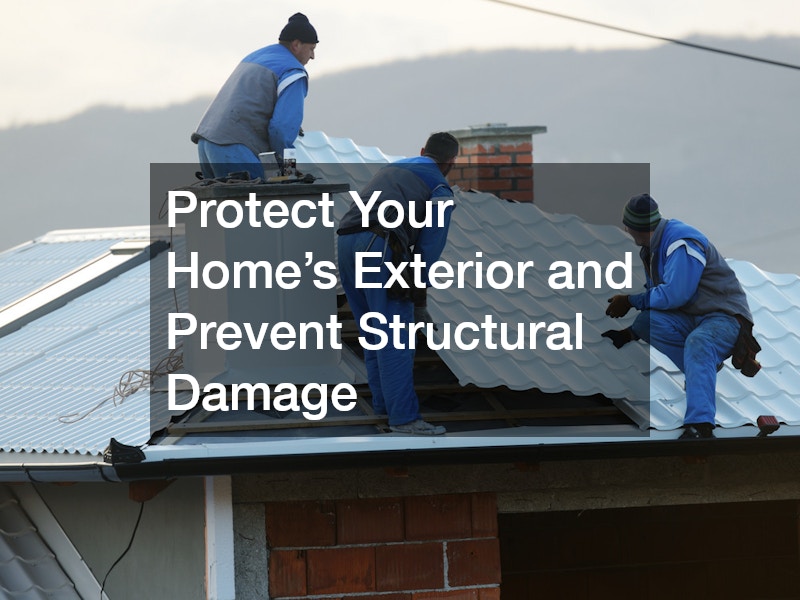
The roof is one of the most important protective systems in any home. When it is compromised, the entire structure becomes vulnerable to water damage, energy loss, and structural deterioration.
Signs that roof repair may be needed:
- Missing or damaged shingles
- Water stains on ceilings
- Sagging roof sections
- Moss or algae growth
Regular maintenance includes:
- Cleaning gutters
- Inspecting after storms
- Removing debris buildup
- Checking flashing and seals
Addressing small issues early prevents more expensive repairs or full replacement later.
Coordinate Multiple Home Improvement Projects Efficiently
Managing multiple home projects requires careful scheduling and coordination. Without planning, overlapping work can cause delays, increased costs, and unnecessary disruption.
Best practices include:
- Creating a master timeline
- Grouping related projects together
- Communicating clearly with contractors
- Tracking progress consistently
Efficient coordination ensures smoother project completion and better resource use.
Budgeting for Long-Term Maintenance and Home Upgrades
Financial planning is essential for sustainable homeownership. Without a structured budget, maintenance costs can become overwhelming.
Effective budgeting strategies:
- Set aside funds for emergencies
- Prioritize essential repairs first
- Compare contractor estimates
- Break large projects into phases
Tracking expenses helps improve future planning and financial stability.
Increase Property Value Through Strategic Improvements
Strategic upgrades significantly improve both comfort and resale value. Buyers are often drawn to homes with updated systems and strong maintenance history.
High-impact improvements include:
- Energy-efficient system upgrades
- Structural repairs
- Exterior enhancements
- Modernized living spaces
Keeping detailed maintenance records also increases buyer confidence.