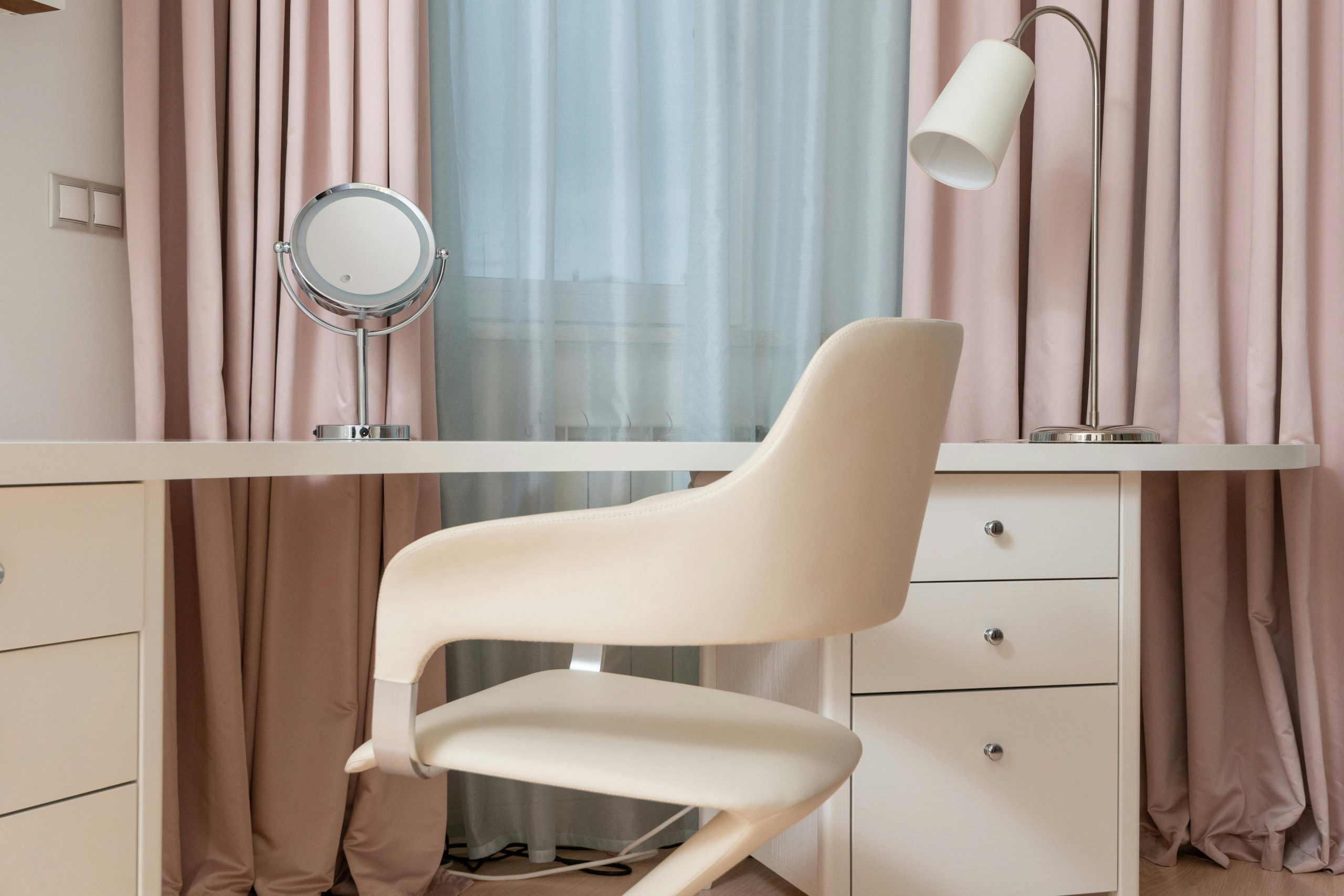
How to Set Up a Home Office for Better Work-Life Balance
Key Takeaways
- A dedicated and organized workspace helps improve focus, productivity, and work-life balance when working from home.
- Comfortable furniture and ergonomic setups can reduce physical strain and improve daily comfort during long work hours.
- Good lighting, fresh air, and reduced clutter create a healthier and more productive home office environment.
- Clear work schedules and physical boundaries between work and personal spaces help prevent burnout and stress.
- Smart storage solutions and multi-functional furniture can maximize small spaces while keeping the office organized.
- Personal touches like plants, artwork, and calming colors can make home offices feel more comfortable and motivating.
- Budget-friendly upgrades such as better lighting, improved organization, and simple decor changes can significantly improve remote workspaces.
Working from home has become a normal part of life for many people. Whether someone works remotely full-time, runs a business from home, studies online, or handles occasional side projects, having a dedicated workspace can make a huge difference in productivity and mental well-being.
However, working from home also creates challenges. Many people struggle to separate work from personal life when both happen under the same roof. Without proper boundaries, it becomes easy to work too much, feel distracted, or experience burnout.
A well-designed home office can help improve focus, comfort, organization, and work-life balance. The goal is not just creating a stylish space but building an environment that supports healthier routines and reduces stress.
The good news is that creating a functional home office does not always require a large room or expensive renovations. Even small changes can improve productivity and make daily work more enjoyable.
This guide explains how to set up a home office that supports better work-life balance while helping create a comfortable and efficient workspace.
Why Work-Life Balance Matters When Working From Home
When people work outside the home, there is usually a clear separation between work and personal life. Commuting, office hours, and physical workspaces naturally create boundaries.
At home, those boundaries can disappear.
Many remote workers experience:
- Longer work hours
- More distractions
- Difficulty relaxing
- Increased stress
- Poor posture
- Mental fatigue
A properly designed home office can help create structure and support healthier daily habits.
A good workspace encourages:
- Better focus
- Improved organization
- Reduced distractions
- Clear work schedules
- Better mental separation
Work-life balance becomes easier when the home office supports both productivity and personal well-being.
Choose a Dedicated Work Area
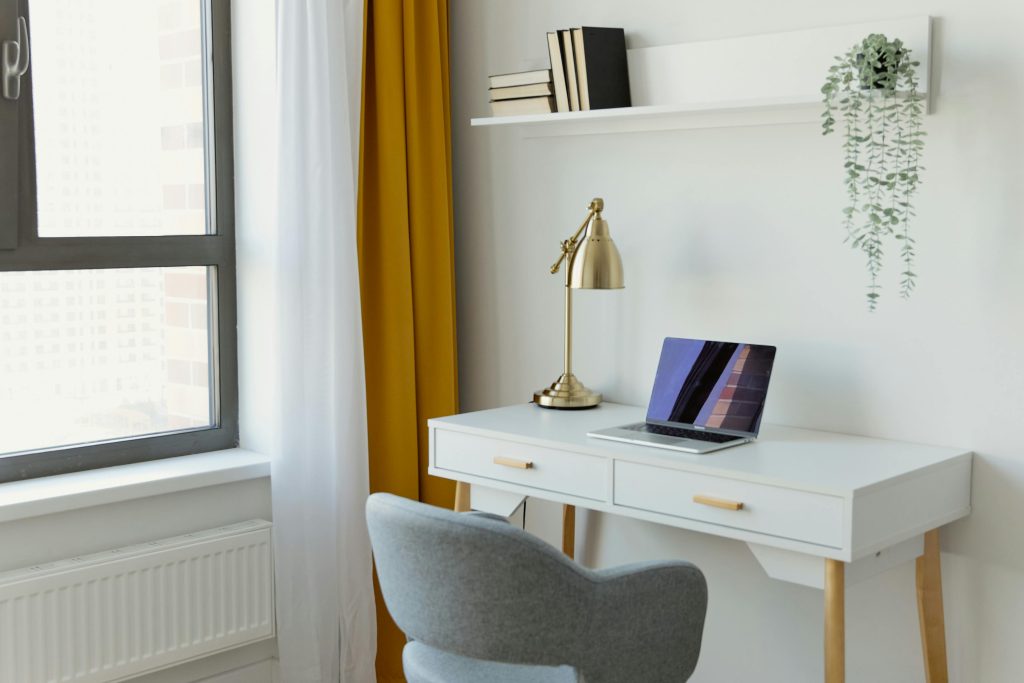
One of the most important steps is creating a specific area for work.
Working from couches, beds, or kitchen tables may seem convenient, but these spaces often reduce productivity and blur boundaries between work and rest.
Ideal Home Office Locations
- Spare bedrooms
- Quiet corners
- Unused dining areas
- Finished basements
- Loft spaces
- Small nooks
Even a small dedicated workspace can improve focus significantly.
If possible, avoid working in bedrooms because it may become harder to mentally disconnect from work at night.
Prioritize Comfort and Ergonomics
Comfort matters more than many people realize.
Poor posture and uncomfortable furniture can lead to:
- Back pain
- Neck strain
- Wrist discomfort
- Fatigue
- Headaches
Invest in a Good Chair
An ergonomic chair is one of the most valuable home office upgrades.
Look for:
- Adjustable height
- Lumbar support
- Comfortable cushioning
- Proper arm support
You do not always need the most expensive chair, but proper support is essential if you spend hours sitting each day.
Position Your Desk Properly
Your desk should allow:
- Feet flat on the floor
- Elbows at comfortable angles
- Eye level aligned with the monitor
Small ergonomic improvements can greatly improve comfort during long workdays.
Improve Lighting for Productivity
Lighting affects:
- Focus
- Energy levels
- Mood
- Eye strain
Natural light is often the best option for home offices.
Benefits of Natural Light
- Reduces eye fatigue
- Improves mood
- Supports energy levels
- Makes spaces feel larger
If possible, place your desk near a window.
However, avoid direct glare on computer screens.
Add Layered Lighting
Good home offices often include multiple light sources such as:
- Desk lamps
- Overhead lighting
- Floor lamps
- Natural light
Warm lighting can make spaces feel comfortable, while cooler lighting may improve alertness during work hours.
Reduce Clutter and Stay Organized
Clutter can increase stress and make concentration more difficult.
A clean workspace often supports:
- Better focus
- Faster task completion
- Reduced distractions
- Improved mental clarity
Easy Organization Tips
- Use drawer organizers
- Add shelves
- Store cables neatly
- Use labeled containers
- Keep only essential items on the desk
Simple organization systems can make daily work feel less overwhelming.
Separate Work From Personal Life
One of the biggest challenges of remote work is knowing when to stop working.
Without clear boundaries, work may continue into evenings and weekends.
Create Clear Work Hours
Try to:
- Start work at consistent times
- Take regular breaks
- End work at a specific hour
Physically leaving the workspace at the end of the day helps create mental separation.
Avoid Bringing Work Into Relaxation Areas
Avoid using laptops in bed or working during meals whenever possible.
Protecting personal spaces supports healthier balance and better rest.
Use Color to Influence Mood
Color can affect both productivity and comfort.
Popular Home Office Colors
Soft Blue
Blue often promotes calmness and focus.
Green
Green creates a balanced and refreshing atmosphere.
White and Neutral Tones
Neutral colors help spaces feel clean and organized.
Warm Earth Tones
Warm colors can make home offices feel cozy and inviting.
Avoid overly bright or distracting colors if concentration is important.
Improve Air Quality and Ventilation
Fresh air can improve concentration and comfort.
Poor air quality may contribute to:
- Fatigue
- Headaches
- Dry eyes
- Difficulty concentrating
Ways to Improve Air Quality
- Open windows when possible
- Use air purifiers
- Add indoor plants
- Replace HVAC filters regularly
Plants such as snake plants and pothos can also improve the appearance of the office.
Add Personal Touches Carefully
A home office should feel motivating and comfortable, not cold or overly corporate.
Personal touches can make the space more enjoyable.
Ideas for Personal Decor
- Framed artwork
- Family photos
- Plants
- Motivational quotes
- Decorative shelves
However, avoid overcrowding the workspace with too many distractions.
Balance is important.
Minimize Noise and Distractions
Noise can seriously affect concentration and stress levels.
Ways to Reduce Noise
- Use noise-canceling headphones
- Add rugs or curtains
- Close doors during meetings
- Use white noise machines
If you live with family members or roommates, communicate your work schedule clearly when possible.
Use Technology Wisely
Technology should improve productivity, not create constant distractions.
Helpful Home Office Technology
- Wireless keyboards
- Second monitors
- Video call lighting
- Smart speakers
- Productivity apps
At the same time, limit unnecessary notifications during focused work periods.
Too many interruptions reduce efficiency and increase stress.
Create a Comfortable Video Meeting Background
Video calls have become a regular part of remote work.
A clean and professional background helps create a better impression during meetings.
Good Background Ideas
- Neutral walls
- Bookshelves
- Simple artwork
- Plants
- Organized shelving
Avoid cluttered or distracting backgrounds whenever possible.
Add Storage Solutions
Storage helps maintain organization and reduce stress.
Home Office Storage Ideas
- Filing cabinets
- Floating shelves
- Storage baskets
- Rolling carts
- Under-desk drawers
Even small offices benefit from thoughtful storage planning.
A tidy space usually feels more relaxing and productive.
Consider Multi-Functional Spaces
Not every home has an extra room for a dedicated office.
Many people need flexible workspaces that serve multiple purposes.
Multi-Use Space Ideas
- Guest room offices
- Dining room workstations
- Closet offices
- Fold-away desks
- Wall-mounted desks
Smart furniture can help maximize limited space while maintaining comfort.
Improve Internet Reliability
Reliable internet is essential for remote work.
Poor connections can:
- Interrupt meetings
- Slow productivity
- Increase frustration
Ways to Improve Internet Performance
- Upgrade routers
- Use mesh Wi-Fi systems
- Position routers centrally
- Use wired connections when possible
Strong internet improves both productivity and overall work experience.
Make the Space Feel Separate
Even small design choices can help mentally separate work from home life.
Helpful Separation Ideas
- Use room dividers
- Add rugs to define office zones
- Use different lighting styles
- Create dedicated storage areas
Physical boundaries often support emotional and mental boundaries as well.
Incorporate Wellness Into the Workspace
Healthy workspaces support physical and mental health.
Wellness Features to Consider
- Standing desks
- Stretch breaks
- Water bottles nearby
- Comfortable temperatures
- Natural light
Small wellness habits can improve energy and reduce burnout.
Budget-Friendly Home Office Upgrades
You do not need expensive renovations to create a productive office.
Many effective improvements are affordable.
Affordable Office Improvements
- Rearranging furniture
- Painting walls
- Adding shelves
- Improving lighting
- Organizing cables
- Using secondhand furniture
People interested in improving homes on a budget often find that small office upgrades provide strong value because they improve both productivity and comfort.
Simple changes can make a big difference.
Think About Long-Term Needs
Your workspace should support both current and future needs.
Consider:
- Future storage needs
- Additional equipment
- Growing work responsibilities
- Long-term comfort
Planning ahead may prevent constant redesigns later.
Create a Morning Routine
Work-life balance is not only about physical spaces. Daily habits matter too.
A morning routine helps signal the beginning of the workday.
Helpful Morning Habits
- Getting dressed
- Taking a short walk
- Drinking water
- Reviewing tasks
- Stretching
Starting the day intentionally can improve focus and productivity.
Don’t Forget Break Areas
Breaks are important for preventing burnout.
Even small break areas can help workers recharge during the day.
Break Space Ideas
- Reading chairs
- Coffee stations
- Outdoor seating
- Relaxation corners
Stepping away from the desk periodically improves focus and energy.
Improve Background Spaces Nearby
The spaces surrounding your office also affect work-life balance.
For example, homeowners researching how to design modern bathrooms often focus on creating relaxing and organized environments. Similar design principles such as clean layouts, calming colors, and efficient storage can also improve home offices.
Comfort throughout the home contributes to overall stress reduction and daily productivity.
Avoid Overworking
A beautiful office cannot fully solve burnout if work habits remain unhealthy.
Signs of Poor Work-Life Balance
- Constant fatigue
- Difficulty relaxing
- Working late every night
- Skipping breaks
- Increased stress
Healthy boundaries matter just as much as office design.
Learn to disconnect from work at the end of the day whenever possible.
Use Plants to Improve the Space
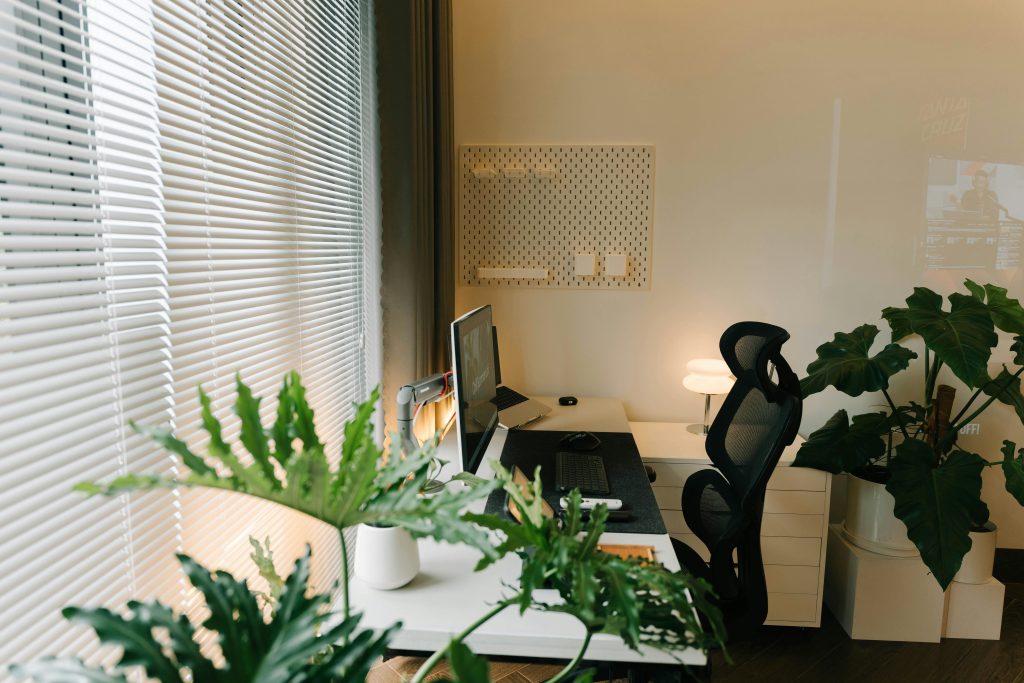
Plants can improve both appearance and mood.
Popular office plants include:
- Snake plants
- Pothos
- Peace lilies
- ZZ plants
Plants may help:
- Reduce stress
- Improve air quality
- Create calming environments
Even small greenery can make workspaces feel more inviting.
Keep the Workspace Clean
Daily cleaning habits support better focus and mental clarity.
Easy Cleaning Habits
- Wipe surfaces regularly
- Organize papers daily
- Empty trash often
- Dust electronics
A clean office often feels less stressful and more motivating.
Final Thoughts
Setting up a home office for better work-life balance involves more than simply placing a desk in a spare room. A successful workspace should support productivity, comfort, organization, and mental well-being while helping create healthy boundaries between work and personal life.
Simple improvements like better lighting, ergonomic furniture, organized storage, and clear work routines can greatly improve daily comfort and efficiency. Even small spaces can become productive offices with thoughtful planning and smart design choices.
The best home offices are the ones that fit your lifestyle, support your goals, and help make remote work feel more balanced, comfortable, and sustainable over time.